






Selecting the right drainage ditch is crucial for effective water management, whether for agricultural land, residential areas, or industrial sites. A well-designed ditch not only prevents waterlogging and soil erosion but also promotes sustainability and reduces maintenance costs. To make an informed decision, consider the following six key points:
1. Location and Topography
The first step in choosing a drainage ditch is understanding the land’s topography. Water naturally flows downhill, so identifying low-lying areas prone to flooding is essential. The ditch should be strategically placed to channel water efficiently without causing overflow or erosion in surrounding areas.
2. Soil Type
Soil composition directly affects the ditch’s performance. Sandy soils drain quickly but may require reinforcement to prevent collapse, while clay soils retain water and may necessitate a deeper or wider ditch. Understanding the soil type ensures that the ditch functions properly and remains durable over time.
3. Flow Capacity
The ditch must be able to handle the maximum expected water flow. Assess seasonal rainfall patterns and potential runoff from nearby surfaces to determine the appropriate size and slope. A ditch with insufficient capacity can lead to flooding, whereas an oversized ditch may be unnecessarily expensive.
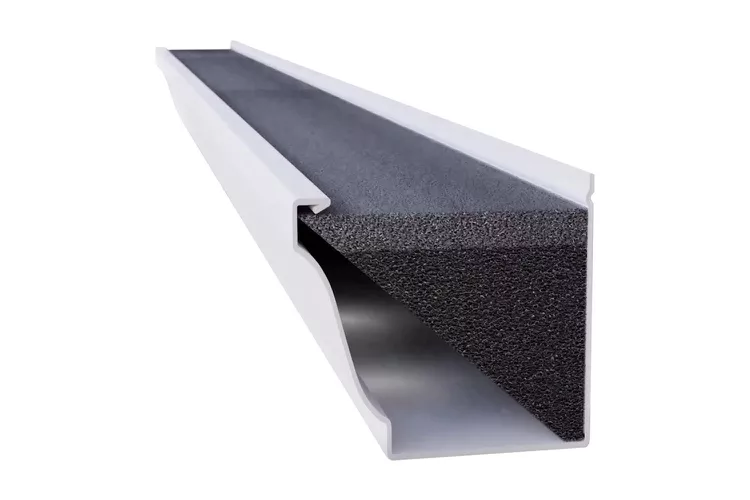
4. Material and Construction
Drainage ditches can be natural or engineered. Natural ditches, lined with grass or plants, are environmentally friendly and reduce erosion. Engineered ditches, constructed with concrete or stone, offer long-term durability and are suitable for high-traffic areas. Choosing the right material balances cost, maintenance, and longevity.
5. Maintenance Requirements
Regular maintenance is essential to keep the ditch functioning properly. Consider how often debris removal, vegetation trimming, or structural repairs will be needed. A low-maintenance design reduces long-term labor and operational costs.
6. Environmental Impact
Finally, the environmental implications of the ditch should be considered. Properly designed ditches can enhance local ecosystems, filter pollutants, and reduce soil erosion. Avoid designs that disrupt natural habitats or cause downstream flooding.
By carefully evaluating these six points—location, soil type, flow capacity, material, maintenance, and environmental impact—you can select a drainage ditch that is both effective and sustainable. Making the right choice ensures long-term water management success and protects the surrounding land and communities.