





- HVAC mistakes are common, but they can have a lasting impact on your furnace, air conditioner, and energy bills.
- Faulty thermostat installation, delaying repairs, and not changing filters often enough are common mistakes.
- Ensure you have proper insulation, maintain your outdoor unit, have the right size HVAC, and have annual maintenance.
HVAC systems require regular maintenance to operate, including simple tasks, like changing the air filter or cleaning the outdoor condenser unit. When homeowners neglect these maintenance tasks or attempt to handle a complex repair on their own, it can lead to a host of issues.
These are the most common mistakes HVAC pros always notice when they work on your heating and cooling system, and how you can avoid them.
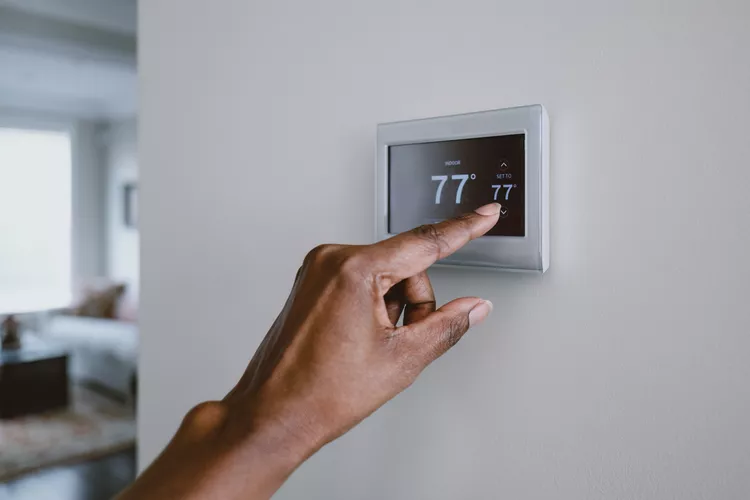
Faulty DIY Thermostat Installation
Putting in a new thermostat can be a simple process, as long as you have some experience with wiring, HVAC, or electrical work, but some homeowners jump into the project without giving it much forethought, which can lead to damaged or mixed up wiring. This is especially true when making the switch from an old thermostat to a new smart home option.
Delaying Repairs
When the furnace or air conditioner starts to act up, it’s important to respond to the problem as soon as possible to prevent the issue from getting worse. However, some homeowners may wrongly believe that the system doesn’t require repairs as long as it still works.
Homeowners should call for repairs as soon as they can, otherwise the cost to fix the HVAC system may increase as the problem worsens.
Not Changing Air Filters
The air filters for an HVAC system are intended to trap dust, dirt, hair, and other small debris, improving the indoor air quality of the home.
However, this debris has nowhere to go once it’s trapped in the filter, so it gradually builds up, as more and more debris is trapped, until the filter is clogged.
Ideally, you should change the filters about once every one to three months depending on the type of filter and the frequency with which the system is running.
Poor Sealing and Insulation
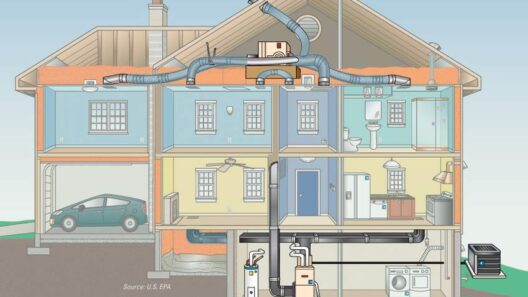
Your HVAC distributes air through the ductwork, but if the ducts are not properly sealed, then the system may be forced to work harder to reach the set temperature.
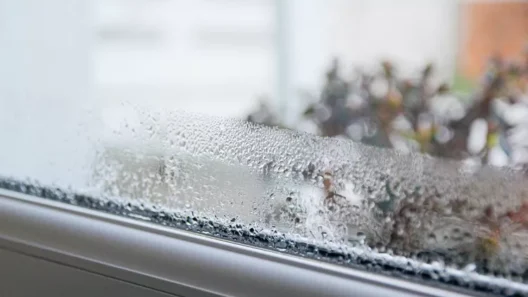
Similarly, if the home is poorly insulated or there are gaps around the windows and doors, then the HVAC system will need to work harder and for longer periods of time, leading to pre-mature wear and increased energy costs.
You should also have an HVAC pro fix any leaks in the ductwork to improve system efficiency.
Neglecting the Outdoor Condenser Unit
When it comes to HVAC maintenance, it can be all too easy to forget that air conditioners rely on an outdoor condenser unit.
To prevent this issue, the unit should be kept free of any obstructions and rinsed gently with a garden hose a few times a year. Just make sure to turn the power off to the condenser unit before rinsing it down.
Installing the Wrong Size HVAC System
Homeowners that don’t have professional experience with HVAC systems may invest in a system that is too large or too small for the home.
When the system is too big, it will rapidly cycle on and off, wasting energy and causing the indoor temperatures to vary significantly. A system that is too small won’t be able to keep up with the heating and cooling demands, leading to premature wear and insufficient heating and cooling.
While it’s a hefty investment to replace an HVAC system, it’s better over the long term to work with a professional to have a system that is the incorrect size switched with an appropriate HVAC system for the home.
Skipping Annual Maintenance
Not all HVAC maintenance can be handled by a DIYer, which is why many HVAC companies offer yearly maintenance checkups where they can inspect the system, identify any problems, and make necessary repairs.