






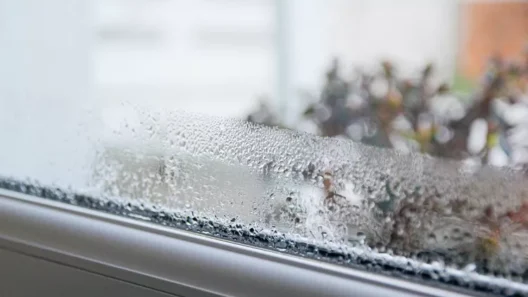
Mold on a window sill is a common problem in homes, especially in areas with high humidity or poor ventilation. Not only can it damage your property, but it can also pose health risks, such as respiratory issues and allergic reactions. Fortunately, removing mold is manageable with the right approach. Here’s a step-by-step guide to help you tackle mold on your window sill effectively.

1. Identify the Mold
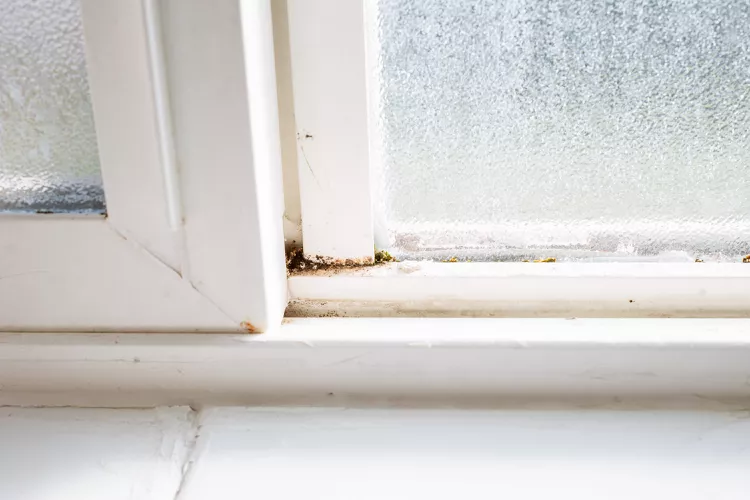
Before you start cleaning, make sure the discoloration on your window sill is indeed mold. Mold usually appears as black, green, or white patches and may have a musty odor. Identifying it early helps prevent it from spreading to other areas.
2. Gather the Necessary Supplies
You will need:
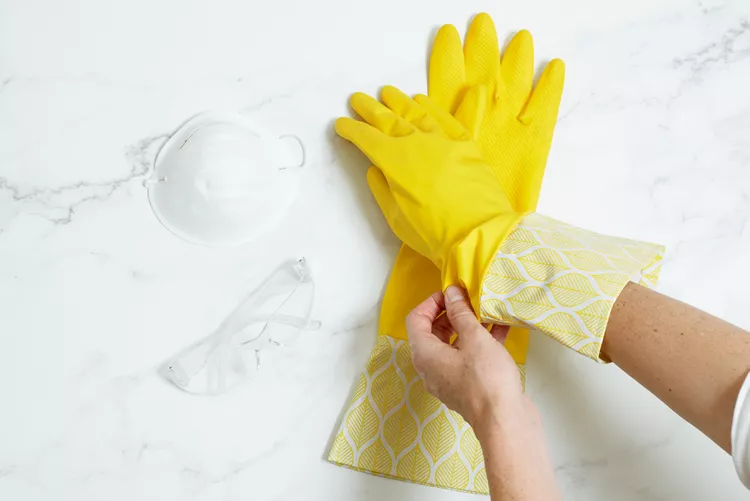
- Rubber gloves and a mask (to protect yourself from spores)
- Cleaning cloths or sponges
- A soft brush or old toothbrush
- White vinegar or hydrogen peroxide
- Baking soda (optional)
- Spray bottle
- Dish soap and warm water
3. Protect the Surrounding Area
Lay down old towels or newspapers around the window sill to catch any cleaning solution or mold debris. Ensure proper ventilation by opening nearby windows or turning on a fan.
4. Clean the Mold
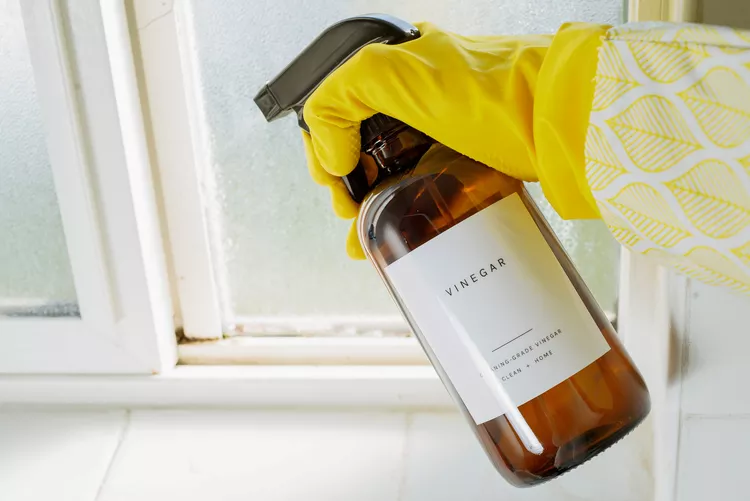
- Mix a solution of equal parts water and white vinegar or use hydrogen peroxide (3% solution) in a spray bottle.
- Spray the affected area generously and let it sit for at least 10–15 minutes.
- Scrub the mold gently using a soft brush or toothbrush to avoid damaging the paint or wood.
- Wipe the area with a clean, damp cloth to remove loosened mold.
5. Optional Deep Cleaning
For stubborn mold, make a paste with baking soda and water. Apply it to the affected area, let it sit for 10 minutes, then scrub and rinse. Baking soda also helps neutralize odors.
6. Dry the Area Thoroughly
Mold thrives in moisture, so drying the window sill completely is crucial. Use a dry cloth or paper towels, and if possible, leave the window open to allow air circulation.
7. Prevent Future Mold Growth
- Reduce humidity in your home using a dehumidifier or air conditioner.
- Wipe down window sills regularly, especially in bathrooms and kitchens.
- Seal any leaks around windows that allow water to seep in.
- Consider using mold-resistant paint for added protection.
Removing mold from a window sill requires careful cleaning and consistent maintenance, but it’s entirely achievable. By following these steps, you can keep your home healthy, clean, and free from the risks associated with mold.