



Windows are more than just openings in your walls—they play a vital role in your home’s energy efficiency, security, and overall comfort. Over time, however, windows can deteriorate, leading to drafts, higher energy bills, and even structural damage. Knowing when to replace your windows completely can save you money and stress in the long run.
1. Age of the Windows
Most windows have a lifespan of 15 to 25 years, depending on the material and quality of installation. If your windows are approaching or exceeding this age, they may no longer provide optimal insulation or function properly. Even with regular maintenance, older windows can develop issues that make replacement a more practical solution than repair.
2. Visible Damage
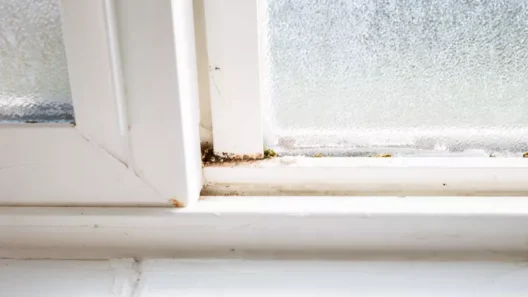
Windows that show visible signs of wear should be replaced promptly. Look for:
- Cracked or warped frames
- Rotting wood or rusted metal
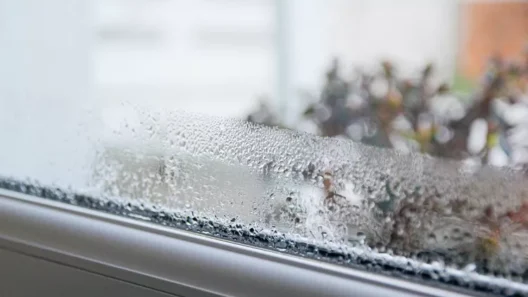
- Cracked, broken, or foggy glass
- Deteriorating seals that cause condensation between panes
Such damage compromises energy efficiency and can lead to further structural problems if left unaddressed.
3. Drafts and Energy Loss
If you notice cold or hot air seeping through your windows, it may be time for a replacement. Old or damaged windows can significantly impact heating and cooling costs. Modern windows with double or triple glazing, low-E coatings, and improved sealing can drastically improve your home’s energy efficiency.
4. Difficulty Operating Windows
Windows that are hard to open, close, or lock can be both frustrating and unsafe. This may indicate warped frames, broken hardware, or weakened mechanisms—all of which are signs that replacement is likely the best option.
5. Noise and Comfort Issues
Windows also act as a barrier against outside noise. If your home feels unusually noisy or if your windows fail to maintain a comfortable indoor temperature, newer energy-efficient windows can provide better insulation and noise reduction.
6. Aesthetic and Property Value Considerations
Sometimes, window replacement is not just about functionality but also about improving your home’s appearance. Modern windows can enhance curb appeal and even increase property value. If your windows look outdated or don’t match your home’s style, replacement may be a worthwhile investment.
Conclusion
Replacing windows is a significant decision, but waiting too long can lead to bigger problems and higher costs. Signs like age, visible damage, drafts, operational difficulties, noise issues, and outdated appearance indicate it’s time to invest in new windows. Upgrading to modern, energy-efficient windows can improve comfort, reduce energy bills, and increase the overall value of your home.