




Key Points
- Winter’s heavy snow loads, fluctuating temperatures, and high winds can cause serious roof damage.
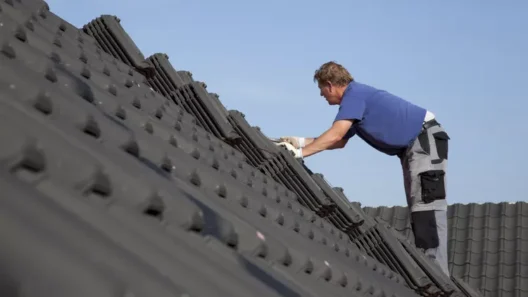
- A pro should check for roof issues like ice dam damage, cracked shingles, and loose fasteners.
- These problems can lead to larger issues like water infiltration, mold growth, and structural damage.
Winter is the season that can cause the most roof damage. The onslaught of snow and ice, which can take weeks, if not months, to fully melt, can create a host of issues that render your roof weak and vulnerable.
With spring and its many rain showers right around the corner, the combination of excessive moisture and a weak roof can create problems ranging from water leaks and structural damage to mold growth and even an increase of pests.
Below, we take a look at the most common winter roof problems that homeowners should check for in the spring to avoid costly repairs down the line.
Cracked or Lifted Shingles
Harsh winter ice, winds, and plunging temperatures can weaken shingles’ adhesive seal, creating cracks and gaps.
This leaves the underlayment of your roof exposed to spring rains, which can lead to water infiltration. This, in turn, can lead to rotten decking, mold growth, and damaged interior ceilings.
Clogged or Damaged Gutters and Drain Spouts
Ice and snow can clog your gutters and drain spouts, causing water to overflow and create damage to your roof, siding, and landscape.
The weight of debris and water can also cause gutters to sag or even completely rip away from your home, calling for some pretty expensive repairs. Gutters clogged with damp debris can also increase your chance of pests, whether its birds, rodents, or insects, who can use them as a space to nest.
Ice Dam Damage
Ice dams are a sneaky winter threat—they form when heat escapes from your attic, melting the snow on your roof which then refreezes at the eaves. This creates a thick sheet of ice that can cause long-term damage.
Changing temperatures and shifting ice dams can push water underneath your shingles, leading to interior water leaks.
Sagging Rooflines
Heavy snow and ice loads can cause your roofline to bow or sag. This usually indicates severe structural damage that must be immediately taken care of by a professional.
Sagging rooflines can threaten total roof collapse, which would create serious damage to your home’s interior, foundations, and walls—repairs that could easily cost tens of thousands of dollars.
Loose Flashings
Flashings are thin materials—typically made from metals like aluminum or copper—that are installed at joints and penetrations on roofs and walls including chimneys, valleys, windows, and vents. These act as a waterproof barrier that prevent water infiltration.
Loose or deteriorating flashings, which can be caused by harsh winter weather and changing temperatures, are one of the most common sources of roof leaks.
Exposed Fasteners
Heavy snow loads, fluctuating temperatures, and melting ice can add stress to fasteners, which secure roofing materials to your home. As your roof expands and contracts, these fasteners can push up.
When they become exposed, it essentially creates dozens of holes along your roof that basically invite water intrusion. A pro will need to make sure that these are all sealed ahead of the spring season and any heavy rains.