





When the temperatures outside begin to fall, homeowners rely on the heating system to keep the home warm and toasty; this temperature difference between inside and outside can create the perfect conditions for condensation to form.
When condensation forms on the windows, it can cause water damage to the window, windowsill, or window frame. The excess moisture also provides an ideal environment for mold and mildew to grow, so it’s important to address window condensation as soon as possible. Keep reading to find out what causes condensation on windows and how to prevent it.
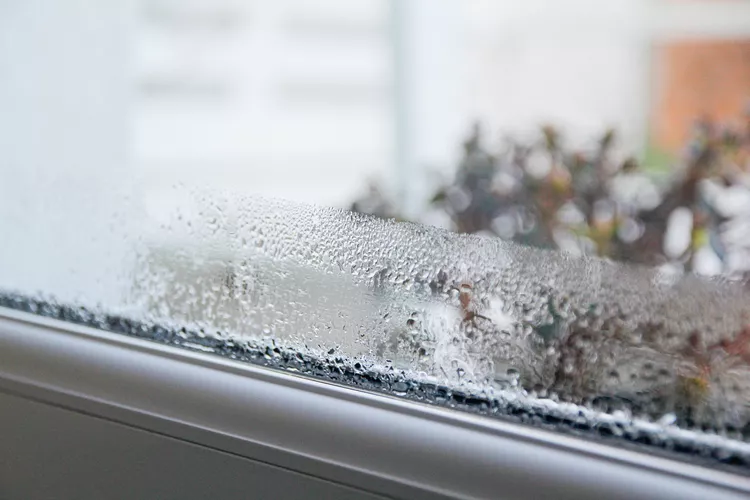
Common Causes of Condensation
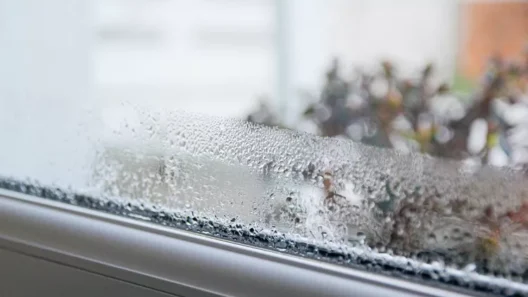
Condensation is the process that occurs when warm air meets a cold surface. As the air is cooled, the water vapor in the air condenses on the the cold surface, changing from a gas to a liquid; this is why you see water beaded up on a foggy mirror after a warm shower. As for a window, there can be many causes to this issue.
Temperature Changes
The most common reason for condensation to appear on the windows is that the temperature outside is significantly different from the temperature inside. During the winter, the glass is cooled from the outside, creating condensation from the warm are on the inside of the window. Similarly, if the air conditioner is too high during the summer months, condensation may form on the outside.
Poor Ventilation
When warm, moist air builds up inside the home, this increases the risk that the warm air will condense on the cold windows. Additionally, specific areas of the home like the bathroom and kitchen tend to produce higher levels of humidity. If these areas are not properly ventilated, it can cause condensation to build up on the windows and other cool surfaces.
Plants and Aquatic Pets
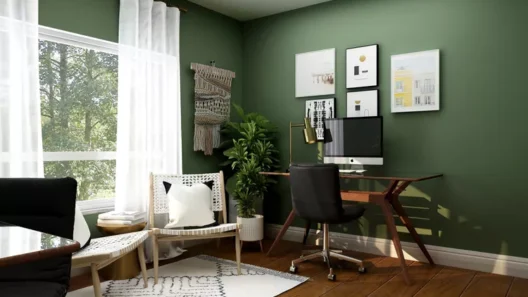
Plants, fish bowls, or aquariums can increase the amount of moisture in the air. Generally this issue can be managed by covering up tanks with appropriate lids, moving tanks away from windows, and moving plants outside or off of windowsills.
Overactive Humidifier
If you have a home humidifier, it’s important to check the settings to ensure that you are not increasing the humidity levels too much. Typically, indoor humidity levels should fall between 30 and 50 percent, so if the humidity inside the home is higher than this, you should consider lowering it.
Faulty Windows
Condensation on the inside or the outside of the window is relatively normal and indicates that the windows are working effectively to keep air from escaping.
However, if the condensation is appearing between the two glass panes of a double window, they may need to be sealed or entirely replaced to prevent condensation from forming.
How to Fix Condensation on Windows
Ventilate the Home Daily
One of the easiest ways to deal with condensation on the windows is simply opening the windows for about 20 minutes each day. This will allow the warm, moist air inside the home to escape outside instead of building up. This is especially important for kitchens, bathrooms, and laundry rooms where moisture tends to accumulate.
Use Exhaust Fans
Exhaust fans in bathrooms and kitchens can be used to release excess moisture. By venting the moisture created by a hot shower or a boiling pot of water, you can reduce the risk of condensation forming on the windows.
Open Curtains, Blinds, or Shades
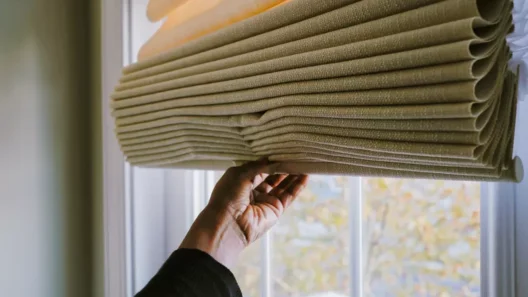
When window coverings are kept drawn almost all the time, it can prevent heat from reaching the interior surface of the windows. By opening window coverings regularly you allow the windows to warm up, reducing the risk of condensation.
Weatherize the Windows
You can help deal with condensation by treating the windows directly. If the condensation is appearing between the windows, start by using weatherstripping to seal any gaps. You can also apply a water repellent window treatment on the inside and outside of the window to prevent moisture from building up on the glass.
Invest in a Dehumidifier
If your windows are constantly coated in condensation, it may be worth it to invest in a portable dehumidifier for certain rooms of the home. Or, you could go so far as to get a whole-home dehumidifier to treat high humidity problems throughout the house.
Replace Faulty Windows
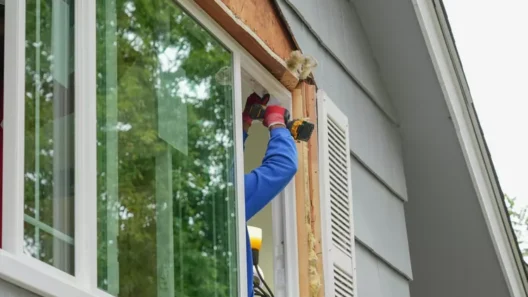
A last resort method for handling window condensation is to replace the windows. This method should only be used if there is an actual problem with the windows that cannot be resolved with weatherstripping, window sealing tape, caulking, or a similar product that is designed for sealing windows and doors. Consult with a professional to determine if this is the best solution for your home.