





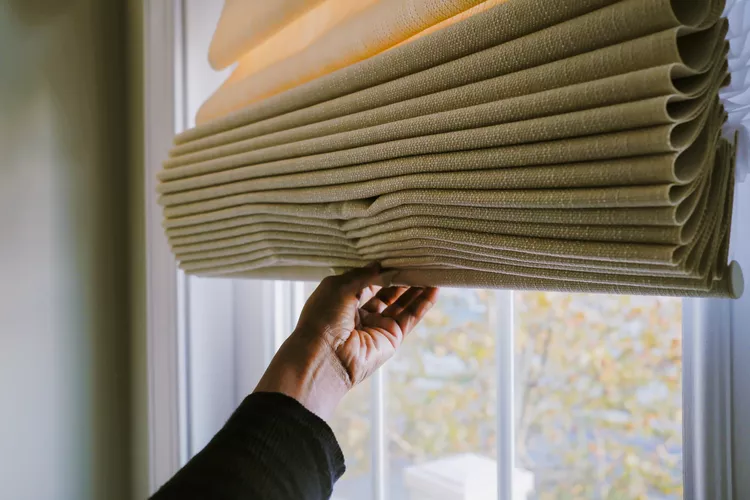
Noise pollution can make your home feel less peaceful, affecting sleep, productivity, and overall comfort. One of the main culprits is often windows, which can let in street noise, neighbors’ sounds, or other disturbances. Fortunately, there are effective ways to soundproof your windows. Here are eight of the best methods to help you create a quieter, more serene space.
1. Install Double or Triple Glazing
Double or triple-glazed windows are designed with two or three layers of glass separated by an air or gas-filled space. This extra barrier significantly reduces noise transmission, making it one of the most effective long-term solutions for soundproofing.
2. Use Heavy Curtains or Acoustic Drapes
Thick, heavy curtains can absorb and block some of the noise coming through windows. Acoustic drapes are specially designed to reduce sound and can be combined with regular curtains for better results.
3. Apply Window Film
Soundproofing window film adds an extra layer of material to the glass, reducing vibrations and dampening sound. While it won’t block all noise, it’s an affordable option for improving your window’s sound insulation.
4. Seal Gaps and Cracks
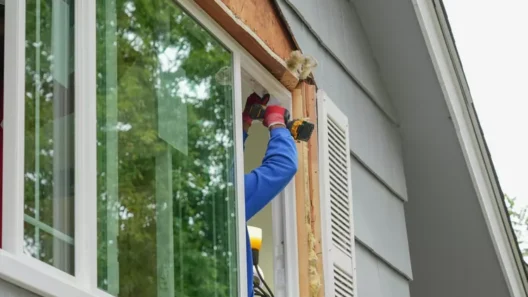
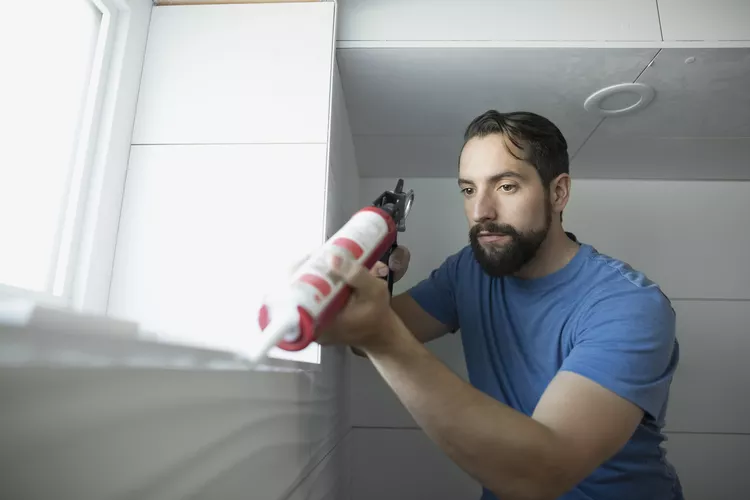
Noise can easily enter through small gaps around window frames. Use weatherstripping, caulk, or sealant to close these openings. Properly sealing your windows not only blocks sound but also improves energy efficiency.
5. Install Window Inserts
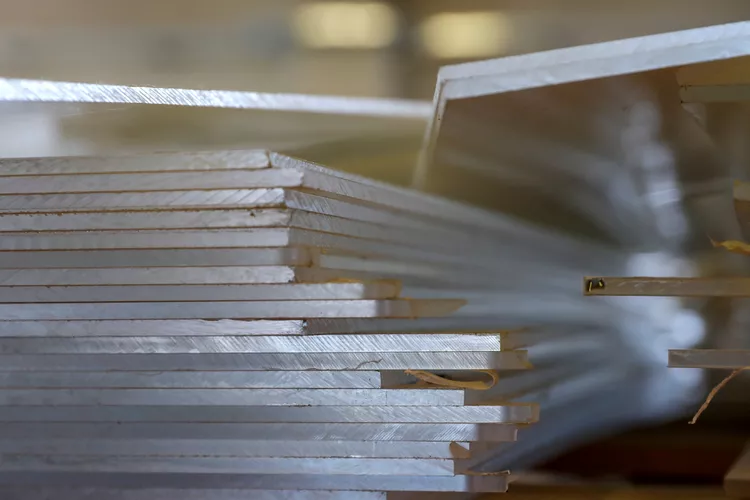
Window inserts are acrylic or glass panels that fit over your existing windows. They create an additional air gap that helps reduce noise infiltration while allowing you to keep your original windows intact.
6. Use Soundproofing Panels
For particularly noisy areas, installing removable soundproofing panels on or around windows can help absorb sound waves. These panels are ideal for bedrooms, offices, or recording spaces.
7. Upgrade to Laminated Glass
Laminated glass consists of two glass layers bonded together with a special interlayer that dampens sound vibrations. This type of glass is highly effective at reducing outside noise and is often used in urban settings.
8. Add Exterior Barriers
Sometimes, the noise comes from outside your property. Installing exterior barriers like fences, shrubs, or noise-reducing panels near your windows can help block or redirect sound before it reaches your home.
Conclusion
Soundproofing windows doesn’t always require a complete renovation. By combining these strategies—such as sealing gaps, using heavy curtains, or installing double glazing—you can dramatically reduce unwanted noise and create a more peaceful home environment. Choose the solutions that best fit your budget and needs to enjoy quieter, more comfortable living spaces.