




Guide to Installing Gutters on Your Home in Tennessee
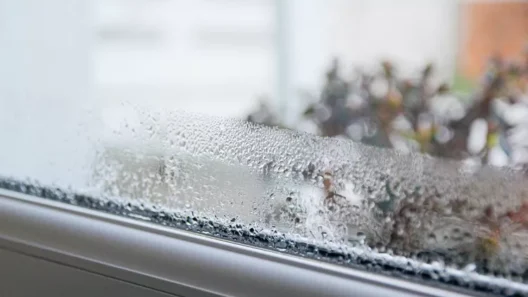
Gutters play a critical role in protecting your home from water damage. They aren’t just decorative; they’re a vital tool that helps to channel rainwater away from your foundation and prevent harm to your property. But if your gutters are showing signs of wear, if they’re sagging, rusted, or splitting in two, you may notice they aren’t working quite as well as they should. If you’re considering installing Tri-Cities or any other part of the country, we have all the information you need. In this guide, we’ll cover everything from the different types of gutters available to the gutter installation costs involved, as well as a few essential tips to help you along the way.
Rain Gutter Types
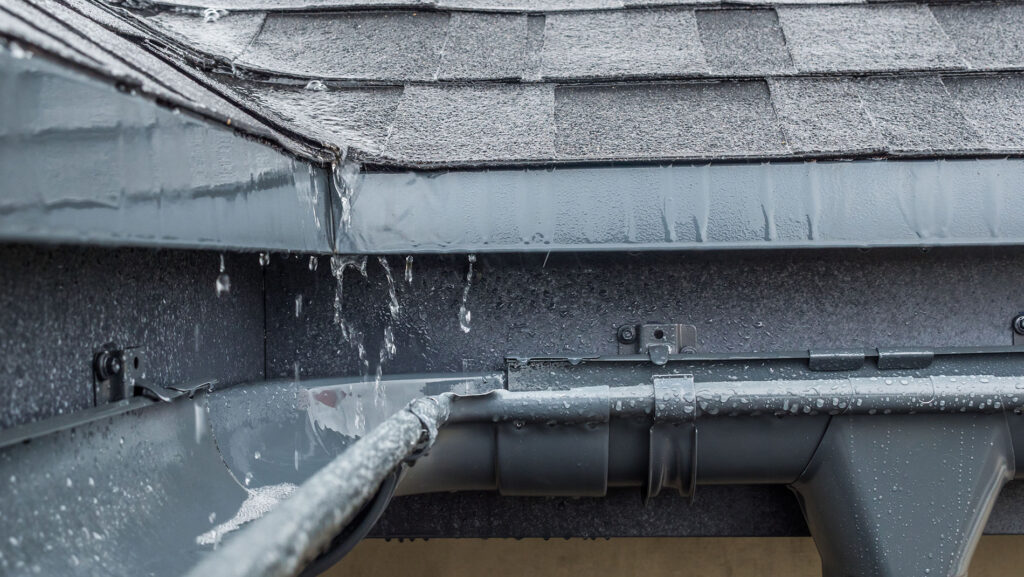
When it comes to rain gutters, selecting from the available types will largely depend on personal preference. As long as the gutters are correctly installed, the material they are made of should not affect their intended function. It’s worth noting, however, that some gutter types are more durable than others, and specific gutter shapes are more prone to issues like clogging. Your budget and the level of maintenance you’re willing to undertake may play a role in your decision.
Gutter Materials:
Aluminum
Aluminum is the most common material for residential gutters. It’s lightweight, durable, and comes in various colors that can excellently match your exterior aesthetic. Though they can dent and bend under certain circumstances, aluminum rain gutters can last for 20 years or more so long as they are properly maintained.
The average cost of aluminum gutters is roughly $12 per linear foot.
Vinyl
Vinyl is a popular option for those seeking an alternative to aluminum and other gutter materials. It’s affordable, lightweight, and easy to work with, making it a popular choice for budget-conscious DIYers. However, it’s important to note that vinyl is generally considered the least durable option available. It can crack and bow during heavy rainfall and become brittle in extreme weather conditions. If you’re working with a tight budget, vinyl gutters can be a viable option, but if your budget allows, other materials are often more highly recommended.
The average price for vinyl gutters is roughly $6 per linear foot.
Steel
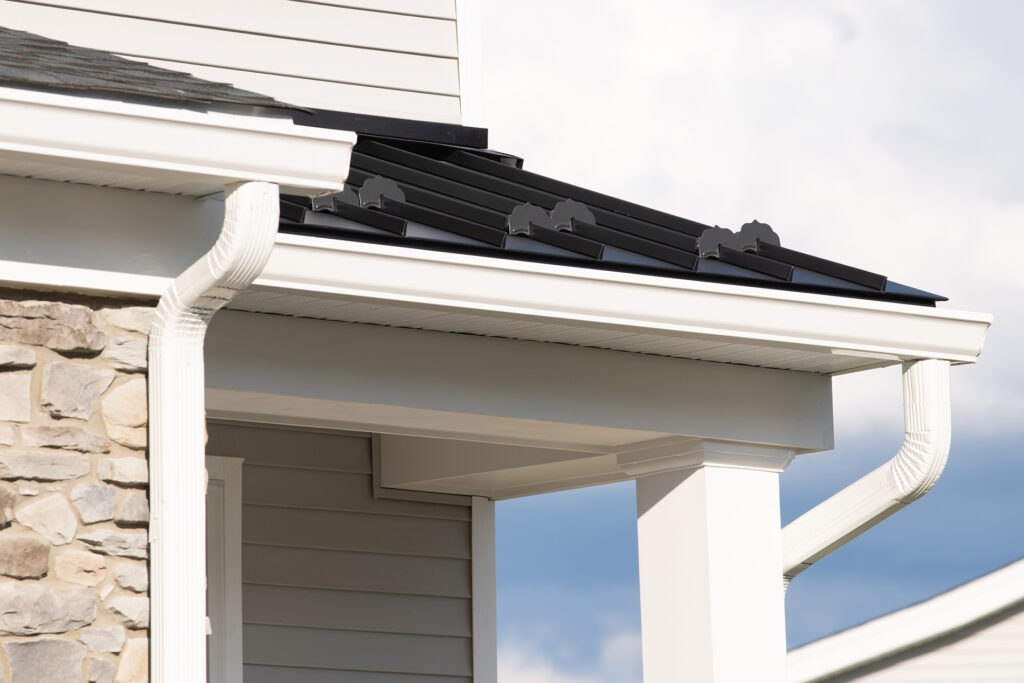
Steel gutters offer a durable alternative to materials like aluminum. Due to their weight and resiliency, they perform exceptionally well in severe-weather climates and are relatively inexpensive, with galvanized options sometimes being as affordable as vinyl. However, galvanized steel is prone to rust, and debris buildup can accelerate rusting considerably, shortening the lifespan of your gutters. While stainless steel gutters are an alternative, they are more expensive, running nearly twice as much as their galvanized equivalent. Additionally, steel gutters require professional installation due to their weight and the need for soldering, but with proper maintenance, they can last for 20 to 30 years. The average price for galvanized steel gutters is roughly $9 per linear foot.
Zinc
Zinc gutters are an excellent choice for homeowners looking for a long-lasting and low-maintenance solution. While installation requires a professional due to welding requirements on the joints and ends, its durability is unmatched, and it even develops a unique patina over time. Although zinc is more expensive than vinyl or aluminum gutters, it may be a worthwhile investment as it can last over 50 years with proper installation and maintenance.
The average price for zinc gutters is roughly $19 per linear foot.
Copper
Copper gutters are a distinct and unique choice for homeowners seeking a durable and long-lasting gutter material. It’s rust, mold, and mildew resistant and can easily withstand the test of time, lasting 50 years or more with proper maintenance. Due to its cost, however, copper is generally a less popular alternative. Additionally, as copper ages, it develops a greenish patina that may make the gutters less attractive. Despite this, copper gutters can be an excellent choice for those seeking a stylish alternative, provided that it fits within their budget.
The average price for copper gutters is roughly $23 per linear foot.
Gutter Shapes:
K-Style
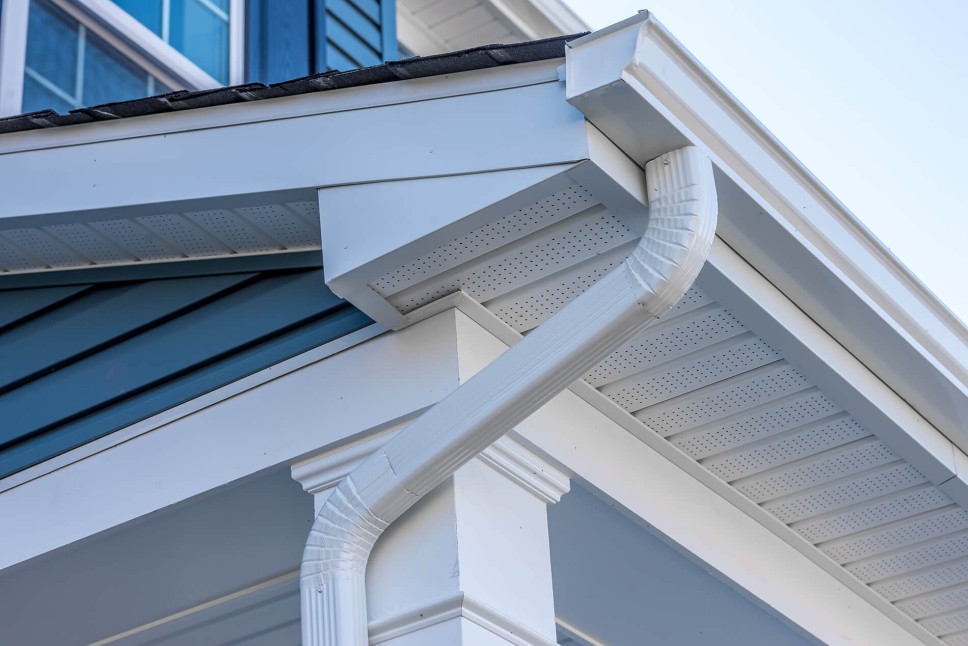
K-Style gutters are the most popular type of gutter used on modern homes. Their unique shape, resembling crown molding, gives them an appealing aesthetic quality, and their flat back ensures they fit snugly against the wall. This prevents water from getting where it shouldn’t and creates an excellent seal. Additionally, the shape makes them more durable than other options, but it can also make them difficult to clean, causing issues with buildup and clogging if not adequately maintained. Despite this, K-Style gutters remain a popular and reliable choice for homeowners and are, generally, the gutter style found on newer homes.
Half-Round
Half-round gutters are a classic gutter design commonly found in homes built before 1960. Their halved tube shape complements historic homes well and may even be required by local ordinances for properties in historic districts. Although they cannot sit flat like K-Styles, Half-Round gutters minimize the likelihood of corrosion through a sleek, simple design. As a result, there are fewer crevices where debris accumulates, making them easier to clear when buildup occurs. Half-Round gutters aren’t as prevalent as other gutter styles but have gained popularity in recent years as renovators seek to restore older homes to their original appearance and design.
Sectional vs. Seamless Gutters for Your Home
The choice between sectional and seamless gutters can significantly impact the appearance, performance, and cost of your gutter installation. Sectional gutters consist of multiple pre-cut pieces assembled to form one continuous unit. This traditional option is popular due to its affordability and adaptability to fit any home, but it requires occasional maintenance as its attachment points can weaken over time. In contrast, seamless gutters are custom-made for the home using a single, continuous piece of gutter material. Their primary advantage is their durability, as they are less prone to splitting and sagging compared to sectional gutters. However, seamless gutters require special machinery and professional installation, resulting in a higher cost. Seamless gutters are often considered more aesthetically appealing, but the choice between the two may come down to function and taste.
The average price for sectional gutters is roughly $12 per linear foot, while the average price for seamless gutters is roughly $18 per linear foot.
Gutter Installation Costs
The cost of installing gutters on your home can vary depending on several factors. Including the points listed above, other variables such as the length of your roofline, where you live, and the labor costs of your contractor of choice can play into the price. The national average cost for installing gutters is around $20 per linear foot. However, this cost can range depending on the type of gutter material you use and the installation method.
Whether you’re planning to hire a professional or hoping to do the job yourself, it may help to get a quote from a professional gutter installer for an accurate idea of the costs.
Gutter Installation Tips
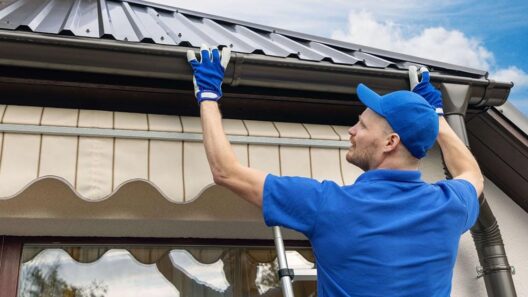
If you’re looking to install gutters yourself, there are a few things to keep in mind. First, choose a gutter type that suits your DIY skill level. Vinyl gutters, for example, are easy to install, while seamless gutters require more equipment and expertise.
It’s also vital to ensure you have the right tools and materials, including a ladder, drill, gutter hangers, downspout extensions, snips, and gutter sealant. Always follow manufacturer instructions and safety guidelines when installing gutters, and get adequate help as needed to ensure it’s all done safely. Sketch out your plan ahead of time, including potential joining points and downspout locations, to ensure as few headaches as possible.
If you’re unsure about installing gutters yourself, it’s best to hire a professional. A professionally installed gutter system will ensure that your home is protected from water damage for years to come.
Conclusion
Installing gutters for your home in Tennessee is a significant investment that can protect your property from water damage. By considering the different types of gutters available and the associated costs, you can make an informed decision about which option is suitable for your home. Whether you choose to install gutters yourself or hire a professional, a properly installed gutter system will provide peace of mind and protect your home for years to come.