



Want to save money on your heating and cooling bills and keep your home feeling pleasant year-round, regardless of the weather outside? Opting for an energy-efficient roof might be the way to go.
You can replace your existing roof with a new system that uses energy-efficient materials and colors. For instance, while a roof’s color may seem like an aesthetic choice, it can play a part in keeping a house cooler in the summer by reflecting sunlight. Meanwhile, the best roofing materials for energy efficiency can help with thermal emittance and keep a house warmer in the winter.
Here’s a comprehensive overview of energy-efficient roofs, why color and material matter, and why you might consider updating your home’s roof.
Benefits of Energy-Efficient Roofs
Aside from offering protection from the outside elements, reducing your home’s environmental impact, and enhancing its curb appeal, energy-efficient roofs can offer several benefits. With energy-efficient roofing materials, homeowners may notice cost savings through a reduction in energy consumption, and more interior comfort during particularly hot or cold weather conditions. The lifetime of a roof may even be extended, depending on manufacturer warranties. All of these factors can positively impact the resale value of your home when it’s time to sell.
Most Energy-Efficient Roofing Materials
Generally, the most energy-efficient roofing materials are metal, tile, and asphalt. Here’s how each of these materials differ.
Metal
Metal roofs are known for their longevity. Metal is also considered one of the best roofing materials for reflecting sunlight, which results in improved energy efficiency. Its strong insulation properties help keep the interior at a comfortable temperature while keeping out hot (or cold) exterior air. Lastly, metal roofs are environmentally friendly, as most of the material is recyclable.
Tile
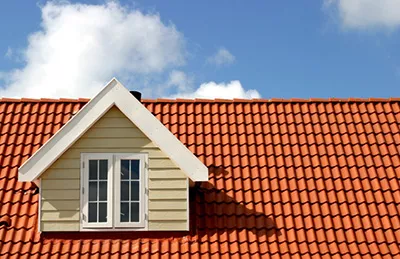
Commonly made from clay and slate, tile roofs are another energy-efficient option. Tile roofs are often seen in the Southwest, where daily temperatures can reach triple digits and the sun beats down most of the day. This roofing material sometimes comes preheated to help reduce heat absorption in sunny weather and high-temperature areas. You can also add coatings to the roof to further improve its reflectivity once it’s installed.
Asphalt
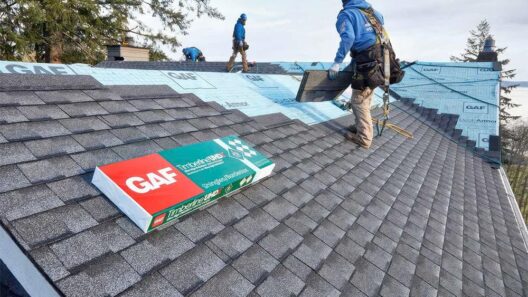
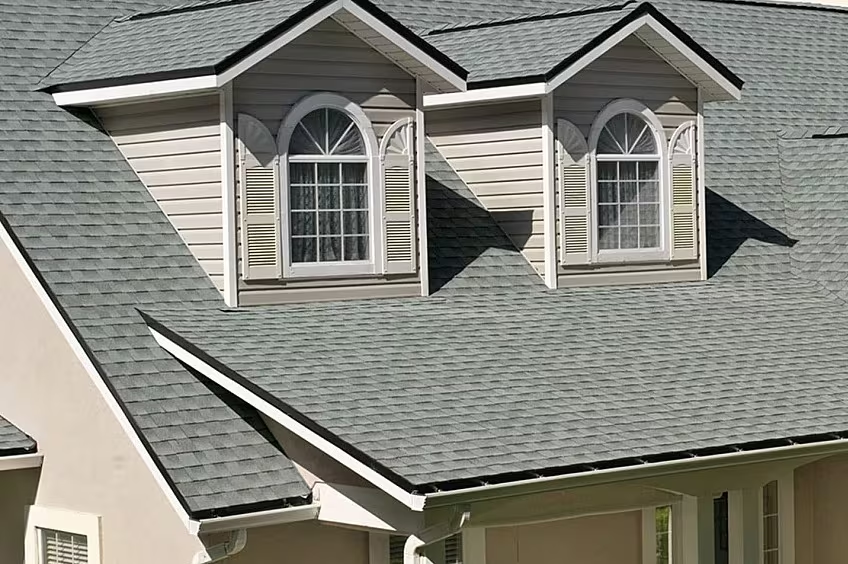
While asphalt shingles are a popular choice across homes in the United States, they aren’t known to have a lot of solar-reflecting ability. That said, many new energy-efficient asphalt shingles are equipped with solar-reflecting granules.
Best Roof Colors to Reflect Heat
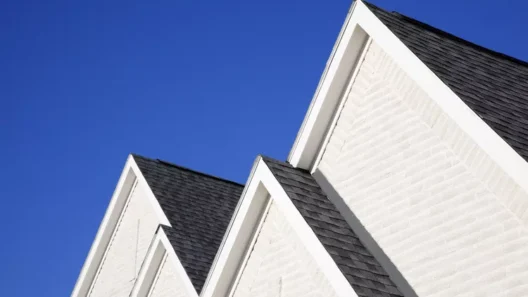
Light roof colors tend to reflect more sunlight and heat than darker colors. Popular light colors used for energy-efficient homes are white, light gray, and light brown.
White is the most effective roof color to reflect heat. According to the US Department of Energy, a white roof stays coolest because it can reflect anywhere from 60% to 90% of sunlight. Meanwhile, other products typically reflect 30% to 60% of sunlight. Darker colors tend to absorb more heat, with black roofs absorbing the most heat followed by brown and dark gray.
Shingles That Reflect Heat Regardless of Color
Though darker colors tend to absorb more heat, you may want a darker roof to match your home’s aesthetics. For example, if you want your home’s siding to stand out, a dark-colored roof is more favorable than a light one.
When Color May Not Matter as Much
Keep in mind your local weather and your property’s features. If your home doesn’t get as much sun or is covered in shade by nearby trees, the color of your roof may not matter as much when it comes to solar reflectance.
Other Ways to Improve Roof Energy Efficiency
Apart from color and roofing material, you can take other steps to improve your roof’s energy efficiency.
Insulation
Attic insulation protects your roof during any season. In the summer, it reduces the transfer of heat coming in from outside. While your roof material is the first line of protection, you can think of insulation as your second line of defense.
Insulation also protects your home against humidity and can prevent pests from getting inside your home. During the winter months, attic insulation can also prevent ice dams that can lead to expensive damage.
Ventilation
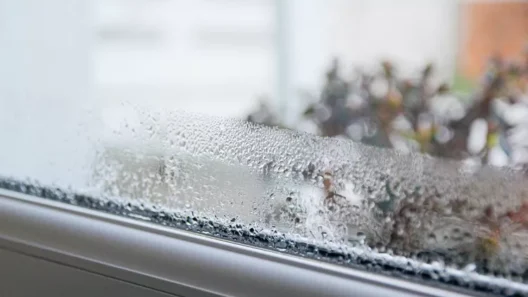
If your roof doesn’t have proper ventilation, heat will always make its way inside. Proper ventilation allows the warm air inside to constantly shift out through the vents and be replaced with cooler air. Apart from regulating temperatures, it reduces condensation, which can result in mold, and keeps your insulation in good condition. Adding roof and attic vents while ensuring insulation isn’t covering any airflow is the best way to ensure good ventilation.
Updating Your Roof with Modern Materials
For more help navigating the variety of energy-efficient roofing materials available, speak to a local contractor. These professionals can tell you what’s most popular in your area and help you understand the advantages you could enjoy after upgrading to a more energy-efficient roof.