




When summer temperatures soar, waiting for your home to cool down can feel frustrating. While your HVAC system is designed to maintain a comfortable indoor environment, there are ways to help it work more efficiently and speed up the cooling process. Here’s a guide to optimizing your system for faster, more effective cooling.
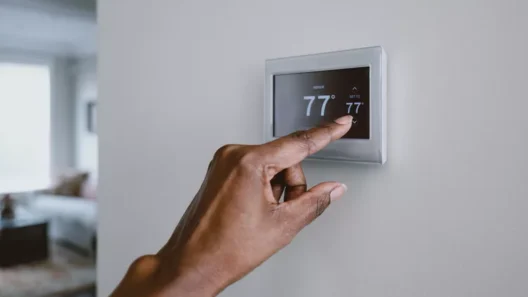
1. Set Your Thermostat Strategically
Your thermostat is the control center of your HVAC system, and using it correctly can improve cooling speed:
- Avoid Extreme Settings: Setting your thermostat to an extremely low temperature won’t cool your home faster. HVAC systems work at a consistent rate, so choose a comfortable temperature and let the system do its work.
- Use a Programmable Thermostat: Schedule your system to start cooling before you arrive home. This ensures a comfortable temperature upon arrival without overworking the system.
2. Ensure Proper Airflow
Good airflow allows cool air to circulate efficiently throughout your home:
- Keep Vents Clear: Avoid blocking vents with furniture, curtains, or other objects.
- Check Air Filters: Dirty filters restrict airflow, making your system work harder and slowing down cooling. Replace or clean filters every 1–3 months.
- Use Ceiling Fans: Fans create a wind-chill effect, making rooms feel cooler faster without lowering the thermostat dramatically.
3. Minimize Heat Sources
Excess heat inside your home can counteract your HVAC system:
- Close blinds or curtains during the hottest parts of the day to block sunlight.
- Avoid using heat-generating appliances like ovens, dryers, or stovetops during peak cooling hours.
- Turn off unused lights and electronics, as they generate extra heat.
4. Seal and Insulate Your Home
Proper insulation and sealing prevent cool air from escaping and hot air from entering:
- Seal gaps around windows, doors, and ductwork.
- Use weatherstripping on doors and caulk around windows.
- Ensure attics and walls are properly insulated to maintain cooler indoor temperatures.
5. Consider HVAC Maintenance and Upgrades
A well-maintained HVAC system cools more efficiently:
- Schedule annual professional maintenance to inspect coils, refrigerant levels, and overall system performance.
- Upgrade to a high-efficiency system if your current HVAC unit is outdated. Newer models cool faster and use less energy.
- Use a smart thermostat to optimize performance and adjust cooling based on your schedule.
6. Use Zoning or Targeted Cooling
If your HVAC system supports zoning:
- Focus cooling on the rooms you use most instead of the entire house.
- Close vents in unused areas to redirect airflow where it’s needed.
- Portable fans or mini-split units can provide quick cooling in specific rooms without overworking the central system.
Conclusion
Speeding up cooling with your HVAC system isn’t just about turning the thermostat lower—it’s about improving efficiency, managing heat sources, and maintaining proper airflow. By combining smart thermostat use, airflow management, heat reduction strategies, proper sealing, and regular maintenance, you can enjoy a cooler home faster while saving energy and prolonging the life of your HVAC system.