







In today’s world, energy efficiency and home comfort go hand in hand. One popular tool for achieving both is the programmable thermostat. These devices promise to save money, reduce energy consumption, and simplify daily temperature management. But are they really worth the investment? Let’s take a closer look.
1. How Programmable Thermostats Work
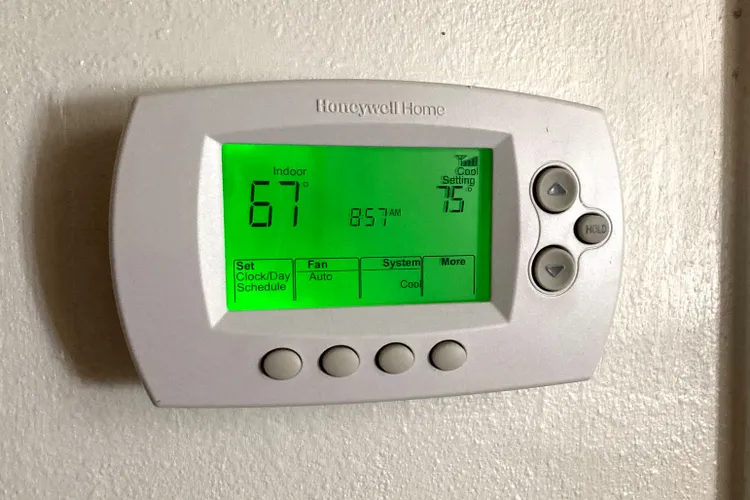
A programmable thermostat allows you to set specific temperatures for different times of the day. For example, you can lower the heat while you’re at work and have it warm up your home before you return. Modern versions often come with Wi-Fi connectivity, enabling remote control through a smartphone app. This level of automation can make daily temperature adjustments seamless and precise.
2. Energy Savings and Cost Efficiency
One of the main reasons homeowners invest in programmable thermostats is potential energy savings. By automatically reducing heating or cooling when it’s not needed, these devices can lower utility bills. According to studies, homeowners can save around 10–15% on heating and cooling costs annually. Over time, these savings can offset the initial cost of the thermostat, making it a financially sensible choice.
3. Convenience and Lifestyle Benefits
Beyond savings, programmable thermostats offer significant convenience. No more remembering to adjust the temperature before leaving the house or going to bed. Advanced models even learn your schedule and preferences over time, creating a customized comfort plan. Some models integrate with smart home systems, allowing voice commands or automation based on your presence.
4. Potential Drawbacks
While the benefits are compelling, there are a few considerations. Some people may find programming the thermostat initially confusing, especially older models without intuitive interfaces. Additionally, if your schedule is highly irregular, you may not achieve optimal energy savings. However, newer smart thermostats mitigate these issues by learning your habits automatically.
5. Making the Decision
Whether a programmable thermostat is worth it depends on your lifestyle and goals. If you want consistent comfort, reduced energy bills, and the convenience of automation, these devices offer tangible benefits. For households with unpredictable schedules or minimal energy concerns, the advantages may be less noticeable.
Conclusion
Programmable thermostats are more than just a modern convenience—they are an effective tool for energy efficiency and home comfort. With potential cost savings, smart features, and improved daily convenience, they can be a worthwhile investment for most households. Choosing the right model and learning how to use it effectively ensures you get the most out of your thermostat.